We stopped by these Islands (Cousin and Curieuse) during our honeymoon and am glad to see that the endangered giant turtles that live there will be increasing their number.
These guys trying their damndest to make wtf science story of the year.
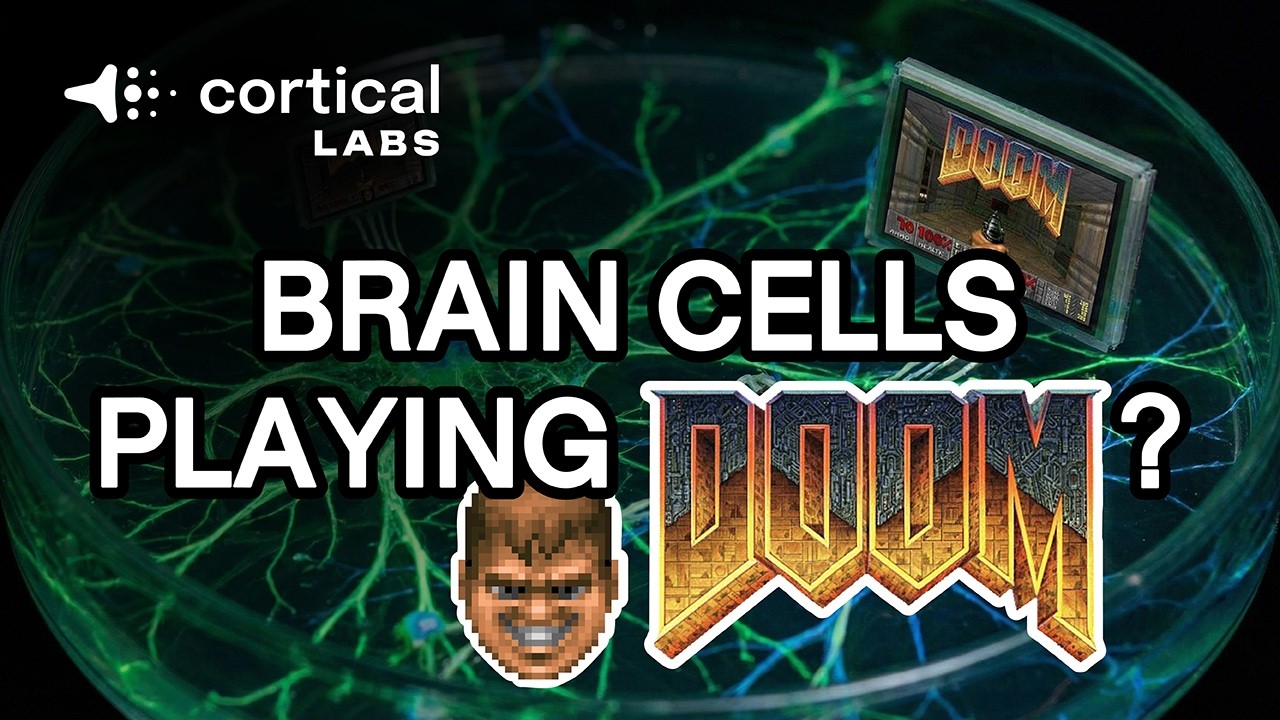
I heard a podcast about this, basically people are growing human tissue in a lab, they call them organoids. And it’s not just neurons, they are growing kidney organoids, skin organoids, you name it. Cancer researchers have been able to clone neurons with cancer, which they hope will allow them to test out drugs at a much more rapid pace than was possible before.
It feels like this is heading towards potentially a bioethics nightmare, but what do I know?
Really? Because I feel like we’re headed to a golden age of everything cured. Diabetes? Have a new pancreas. Etc. Ethics be damned, if I have a pancreas that’s pumping mud, I’d like a new one please.
I’m thinking about the computer brain there. Right now they are at ~200k neurons, so while it’s human tissue, it’s not really a brain. There is no consciousness. But as these things grow they begin developing into a brain, you might start getting lobes, a prefrontal cortex, etc. A human brain is more like 90B neurons, we are a ways apart here. But would it be ok to build a computer with a billion neurons? Ten billion?
Maybe somewhat analogous to how people dealt with studying embryos in a lab. At what point is it unethical to keep one alive? And we landed, as I understand it, on the ‘primitive streak’ as the sort of cutoff point.
Related: Current audiobook is Oryx and Crake by Margaret Atwood. We’re on the road to living out The Handmaid’s Tail, so why not more dystopia?
3 Likes
Dystopia, dattopia. Whatever it takes.
1 Like
IMO we’re a long way from worrying about that.
quote\]At what point is it unethical to keep one alive?\[/quote
IMO that’s going to be a matter of opinion with no good answer or line to cross. It’s like abortion,it’s my opinion that women should be able to choose that, but I don’t discount the people that argue that the fetus at some point has some sort of say in the matter as well. Where’s the line? There’s no correct answer.
That’s pretty much it, it isn’t black and white and folks are going to fight it out.
One thing these neuron based computers might solve is efficiency. Brain cells are efficient, whatever the hell we have now powering AI seems to be a little bit hungry for energy.
I have read that neurons may have a fundamentally different learning mechanism than artificial neurons. So that may help some.
However, i would guess the brains efficient learning depends in some way on how all the neurons are integrated with each other, with the rest of the body, and with the environment. In that case, using biological instead of artificial neurons may not help the efficiency all that much.
1 Like
Not so sure about this. I will think a bit with the old fashioned neurons and try to come up with some metrics to confirm/deny efficiency advantages.
The interface could use up a lot of power, and whatever else it takes on the electronics side. But neurons are crazy, the human brain uses about 20w of power. So to the extent we can do as many computations as possible using neurons, wouldn’t the whole system be quite efficient? At least compared to the data centers we have now sucking down megawatts?
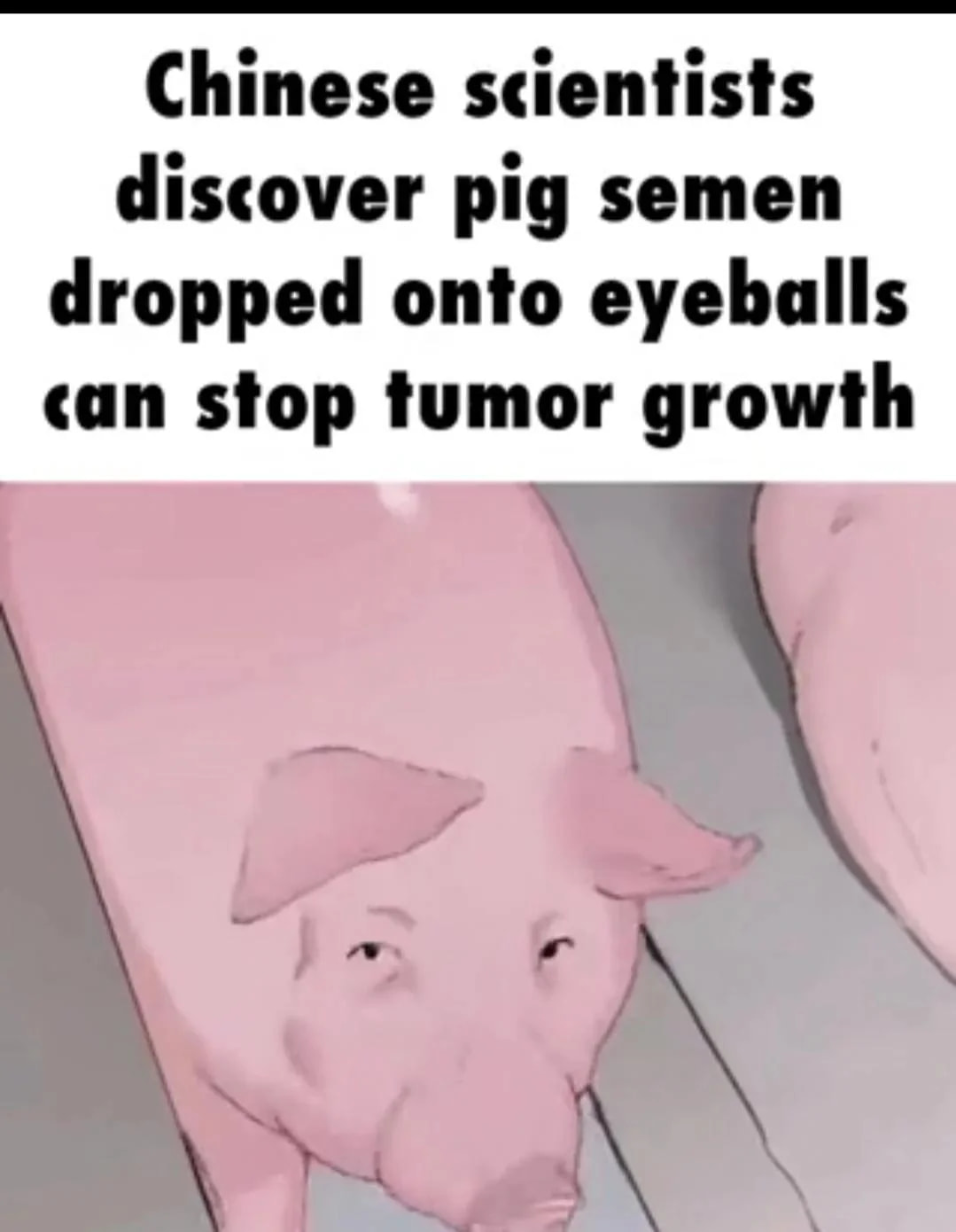
Semi-paywalled article: Eye drops made from pig semen deliver cancer treatment to mice | Nature
The question of how the scientists thought to try this is not addressed in the un-paywalled portion of the article.
1 Like
Conclusion: mice are into some kinky shit!
Would be cool if they can make this viable commercially
Most of the paper products we use are bamboo based, TP, paper towels.
Bamboo straws are so much better than cardboard, it’s not even close.
1 Like
This study tested whether an unexpected event, such as the presence of a person dressed as Batman, could increase prosocial behavior by disrupting routine and enhancing attention to the present moment. We conducted a quasi-experimental field study on the Milan metro, observing 138 rides. In the control condition, a female experimenter, appearing pregnant, boarded the train with an observer. In the experimental condition, an additional experimenter dressed as Batman entered from another door. Passengers were significantly more likely to offer their seat when Batman was present (67.21% vs. 37.66%, OR = 3.393, p < 0.001). Notably, 44% of those who offered their seat in the experimental condition reported not seeing Batman. These findings suggest that unexpected events can promote prosociality, even without conscious awareness, with implications for encouraging kindness in public settings.
1 Like