I’m still (relatively?) early in my career, but I have my 401k invested in some glide-path my company offers and have no other significant non-house investments. I don’t really know for sure what my 401k is invested in. I like to read through this thread and wonder if I’ll ever be half as knowledgeable about investments as you guys, in which case maybe I’d invest in something else.
1 Like
Well, there is step 1. What % of bonds and stocks is this allocation, and how much is the expense ratio. What % of bonds and stocks do you want? Is there a different selection of funds that will accomplish the same thing for less? You don’t have to research individual stock picks but you should probably know what you are holding at the very least. This particular exercise should take minutes, not hours (ok maybe 1 hour).
3 Likes
I have never picked 1 stock. Ever.
For a lot of my holdings, my allocation is as simple as 50% VTI and 50% VXUS (50% total domestic, 50% total international.)
2 Likes
My company’s portal makes it easy to see the allocations if I go and look. Rounding to the nearest 5% and not mentioning the super specific funds, looks like it’s invested something like this:
- Fixed income: 5%
- Large Cap (Vanguard index): 40%
- Global Infrastructure: 5%
- Mid Cap (Vanguard index): 15%
- Foreign Large Blend (Vanguard index): 15%
- Foreign Large Growth: 10%
- Diversified Emerging Markets: 5%
- Global Real Estate: 5%
Looks like my weighted average expense ratio is 0.20% (they didn’t tell me that one, I had to calculate it myself based on each fund’s expense ratio).
Part of the problem is that the glide path is all or nothing. I can tell it I’d like “Balanced” or “Aggressive” or “Conservative”, and I can probably tell it I want a different projected retirement age, but other than that I have to put everything in the glide path or nothing in the glide path. And I figure it’s coming up with a better balance of assets than I could come up with on my own, so I have it do all the investing, for now at least.
From time to time, I’ve played around with a few thousand bucks for funsies. I’ve made a few bad bets, made a nice chunk during the GameStop mania. But it’s peanuts.
This is the way. I’m heavily concentrated in S&P funds, about 25% bonds, ~8% SCHD, a little VT.
1 Like
From my noob perspective, that looks fine? Low expense ratio, mostly stocks, well diversified. And I think retirement age in a is a decent proxy for aggressiveness?
Beyond all that, I would ask: Can you invest an HSA? A Roth? Any company match that you’re missing? Should you be saving more/less generally? etc.
I mean, obviously listen to Klaymen, because I don’t know shit. But I think these days, people do fine with basically no knowledge of the stock market thanks to ETFs and cheap Glide Paths.
2 Likes
I have my Roth IRA, Trad IRA from my first job, and 529 accounts at Edward Jones. Inertia is winning a bit on all this - could I manage it now? Sure. Were there good options in 2000? Etrade was just emerging around then and like any new tech, adoption was somewhat slow. So there are reasons why the money is there. I get a free annual check-up with this and get some good ideas for was I assume is money paid out of the 60bp fund fees or whatever I am paying.
My dad seems to do a lot of his own decisions on making investments, but still calls up his guy. I won’t be encouraging him to change - he’s 76 and could start making really bad decisions any time now if I put a few million dollars into an app where he can start day trading without anyone knowing. My parents like gambling just enough that it feels like there is some risk here…my mom will keep my dad from making bad decisions at a casino since she carries all the cash.
1 Like
I invest a small portion of my HSA, but I mostly use it for paying for medical expenses (I know people say it’s better to just invest it for retirement…). Currently I put 100% of my employee 401k contributions in Roth, since 100% of the employer contributions are traditional. I get my company’s full match and I increase my own contributions by 1% of pay annually. I feel like I’m in a pretty good spot—I just basically never think about what I’m invested in, since the glide path has seemed reasonable enough so far. I’m pretty happy with my “net worth” for my age, but we’ll see what happens when (if??) the AI bubble pops…
1 Like
I turned 76 last week and largely do what your dad does. I discuss trades with “my guy” but he has no ability to do anything without my direction. I find his second opinion and knowledge to be valuable.
Your dad and I may be ok day-trading but only if someone else is monitoring our cognitive state!
1 Like
I have no idea. I just think it’s better to invest it than not invest it. And if you make actuary dough it probably doesn’t matter much anyway.
I try to prioritize 401k up to match, then max HSA (I invest most but keep a couple thousand in cash for a surprise medical event) then max 401k, then mega backdoor Roth.
I should do a backdoor IRA in there too but it takes extra steps and I’m not close to maxing out mega backdoor. Plus that is set to auto-convert, whereas I assume a backdoor Roth would require a phone call or process every time I make a contribution.
1 Like
It takes a few additional clicks in Vanguard or Robinhood. Took me maybe half an hour to figure out the first year and make sure I was doing right, then a few minutes each year thereafter.
But if you’re not maxing the Mega Backdoor, it’s 6 of one, half dozen another.
1 Like
As an HCE I’m only allowed to contribute 12% to mega backdoor, so I’ll hit that cap sooner than later and will have to stop being lazy.
2 Likes
Yeah I know even less. Do as I say, not as I do. That portfolio looks reasonable, mostly all stocks for a younger person.
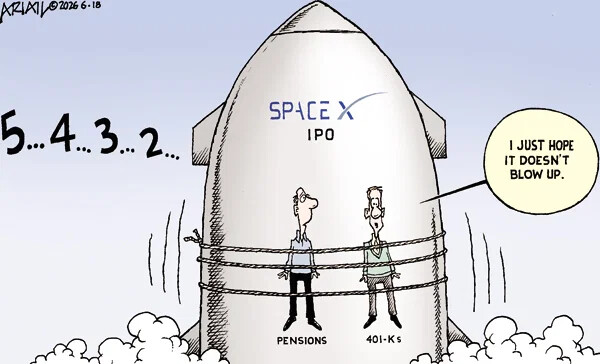
One thing I regret not doing is adding an extra 1% to my 401k every time I passed an exam. The earlier you start maxing out your 401k the better for high paying careers imo
5 Likes
This is very true. Time in the market with a diversified PF and compounding will beat just about any stock-picking strategy in the long-run. The earlier you start the better.
I co-sign this - I have been really fortunate financially throughout my life, so it’s not a big deal in the scheme of things, but even though I think I was pretty knowledgeable about finance and investment theory from my job, it didn’t occur to me to max out my 401(k) contributions to federal limits until I was a 5 or 6 years into my career and I wish I had done that earlier. When I started as an actuarial analyst I, I was saving up for a house down payment so I think I can backwards-rationalize just getting to the max company match threshold in my first or second year of employment, but then I bought a house and my lifestyle didn’t really change as I kept passing exams even though my salary did. I just saved more in a taxable brokerage but I probably would have really been cooking by now if I had ramped up my contributions even earlier.
1 Like
Anytime I got a raise… it varied based on the particular financial time of my life, but maybe 50% would go toward 401k, 25% toward a house down payment, and 25% allowed to increase QoL.
Repeat over and over as long as there’s room.
1 Like