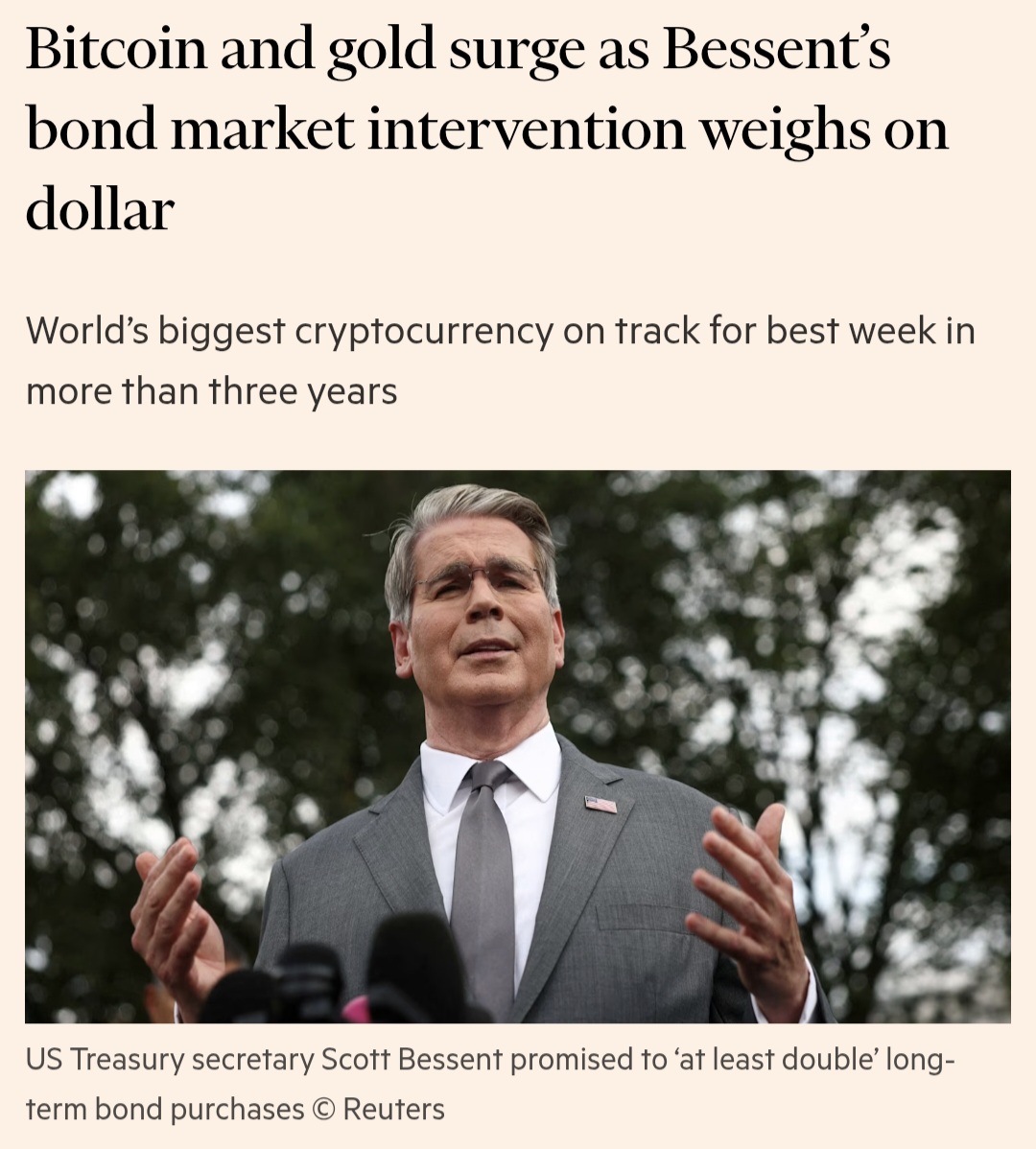
They are buying LT T-bills and replacing them with short-term t-bills at lower maturities effectively.
Its a form of yield curve control. What will take a pounding is the $$, as you now have less purchasing power given this is inflationary. In response to this investors are buying up gold again.
Yeah, I thought about this a little more and realized it’s QE without calling it QE, but this only works as long as they can issue on the short end for less. Which, I’m not convinced running a $2T deficit on a $40T debt that already costs nearly $2T in interest expense, lasts very long because the next step is to just turn the printing press on 24/7 to try and cover everything.
I get the impression that its starting to impact what Trump can do as president where he’s had to step back on a few things after bond holders started grumbling. I suspect it’s driving the half assed nature of the war with Iran where he’d like a ground war, but bond holders and voters are both saying no way.
The difficulty is getting everbody onboard with which parts are needless and which are necessary.
Eta: for fun… what fraction of your significant other’s spending was necessary and what fraction of your spending do they think was necessary and how do those numbers compare to what each of you think for your own spending.
then again, it might also be a failure to increase taxes. How are you able to tell the difference? Seems like a debtor who is unwilling to go to work is at least as problematic as a one that over spends.
Fun!
We are not in a deficit spending mode, so kinda moot.
I think every time I go to dinner without her is probably mutually needless (could eat at home for a lot less). But I like some alone time with my puzzles before I go play stupid-poker. But that’s small change.
Spending too much on an EV? I think needless. But she wants a Toyota product (and NOT a Prius) and not some cheaply-made thing that will need to be replaced sooner, and then we have to go through the whole car-buying cycle again. I think a used plug-in Prius would have been slightly better (prices on those are not dropping unless with a lot of miles), fit in the garage easier.
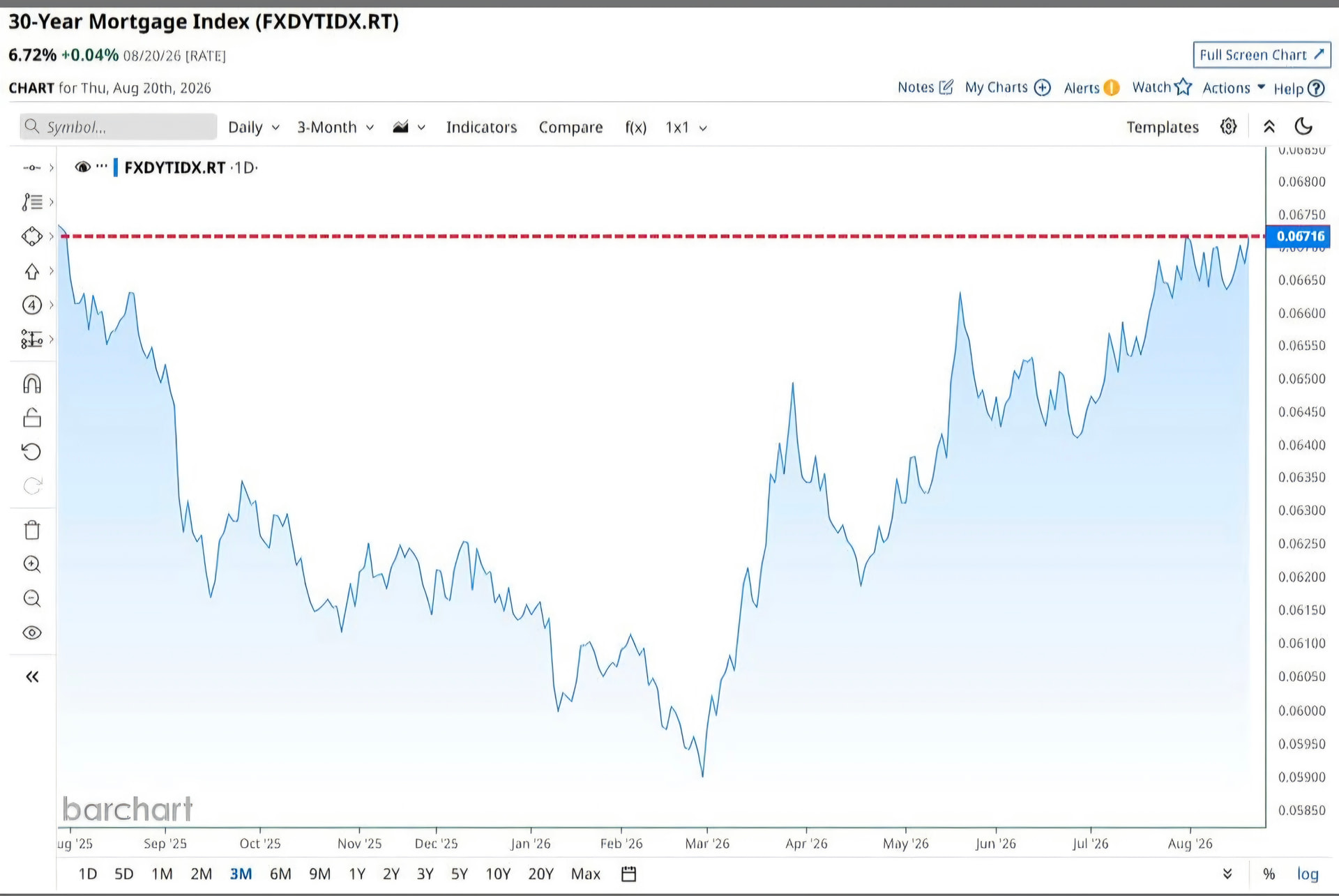
Its not just one thing (mortgage rates) hitting the US consumer.
Food prices - high
Insurance - high
Utilities - high
Top 10% of consumers are riding the equities boom, but the bottom 50% are not.
Real wages are now also in negative territory.
All of these things matter in the context of how investors view the US economy.
A t-bill is effectively a call on the future output of the US economy. If that potential future output trajectory slackens, you will see yields rise on the long end as well as holders will sell.
The additional international dimensiom now is Japan selling their long-dated t-bills to bring money back into Japan in order to defend their currency.