Our parents bought starter homes because those were available and affordable. Now, new builds are McMansions and starter homes are a relic.
My experience with buying cars is that basic cars without upgrades and gadgets are really scarce now. The new car market has very few budget options in the US.
Do we have expanded options, or just more expensive options? I honestly don’t know. If a person wanted to spend the same proportion of their income on housing and car payments as we did 20 or 30 years ago, is that really feasible?
Housing is difficult if you are limiting the search to new builds. 20 years is long enough that your parents starter home may not be a great comparable option, but it is likely still there.
There are a few new developments near me that appear to be offering something closer to a starter home, certainly not McMansions, although the last few developments were either larger homes, or attached condos. My neighborhood took about 10 years to build out all the lots, but this was from 2005-2015 McMansion era. I guess the point is I think the market is changing on this, but could be slow to react when what is offered will reflect what was in demand in a few years earlier.
Cars? I can see 3 new Accords in transit to my local Honda dealer that are all 32k SE models. Of course, they have nothing available if you need one today. I haven’t done much car shopping in ages, but of the last 3 new cars I bought, one was a special order that took months to be delivered and the other two I had to settle on paying for an option I didn’t want, or taking a color I didn’t care for.
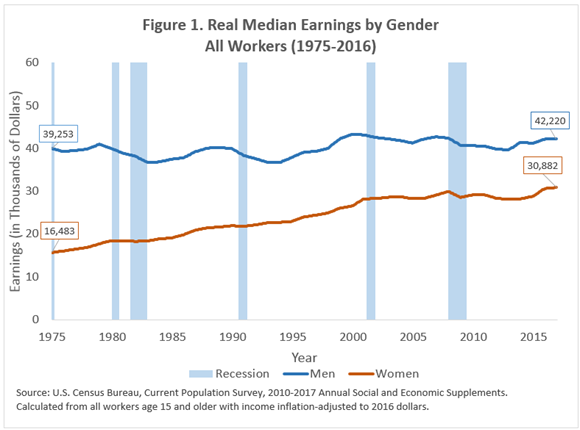
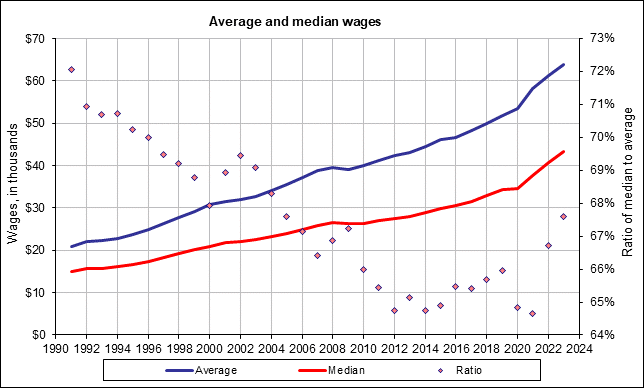
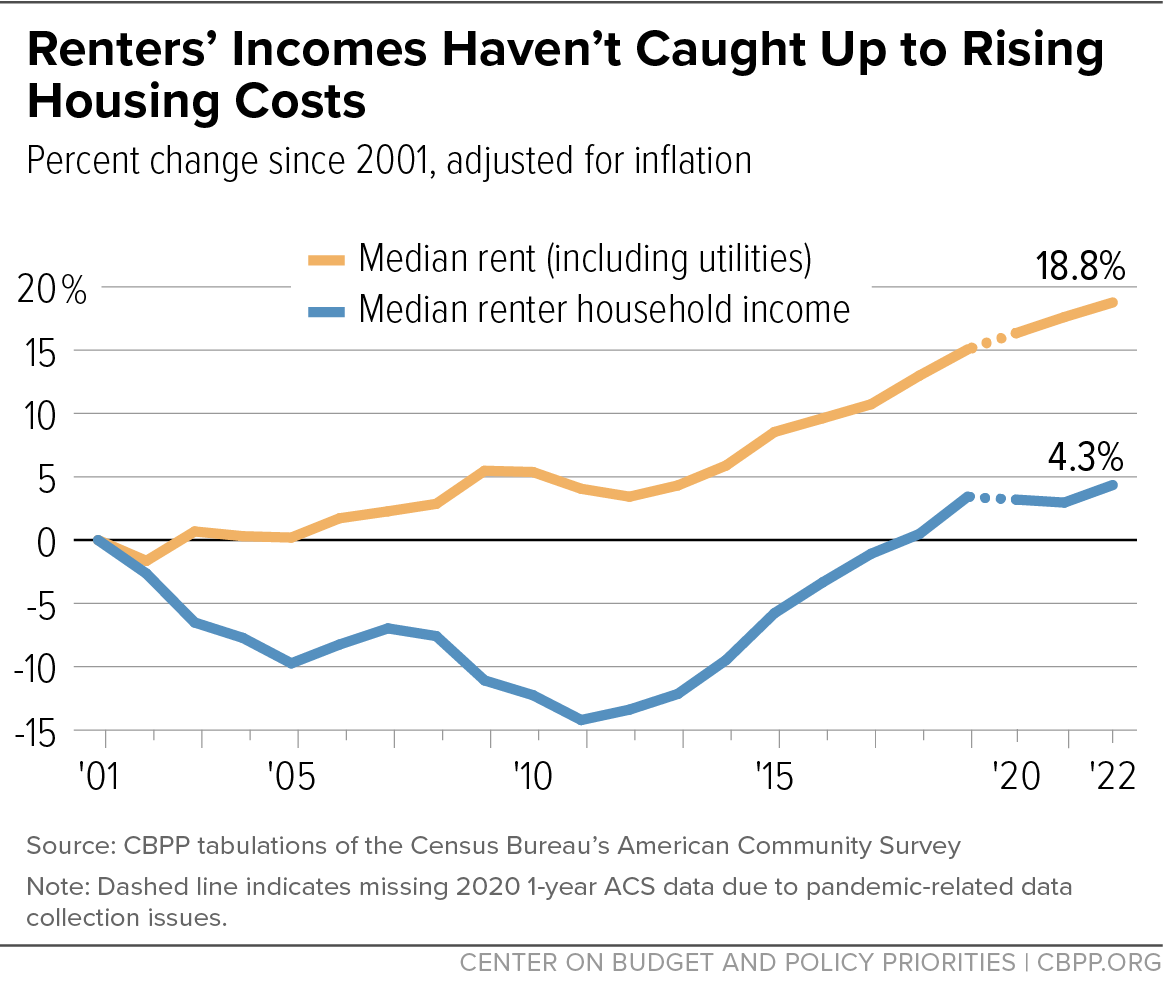
Where rents have gone up faster than incomes, plus food costs are going up, the scope for renters to save to buy homes or cars has gone down, as has their ability to save for retirement.
It’s messy. For reference, the inflation adjustment from 2000 to now is about 1.88.
My baseline for “entering adult life” is the early 2000s, and I honestly can’t find much in anything I see that suggests anything is out of reach. Maybe it was just as expensive then, and has been cheaper for everyone in the last 20 years, and that is distorting opinions.
The apartment that I rented with a friend in 2002 for 660 a month is now 1489 a month. That’ a bit more than double.
That doesn’t help the renters who are renting what’s available or hoping to buy into the market. You seem to be blaming renters for not being able to afford homes because the housing industry is choosing to not provide/produce smaller homes that they can afford.
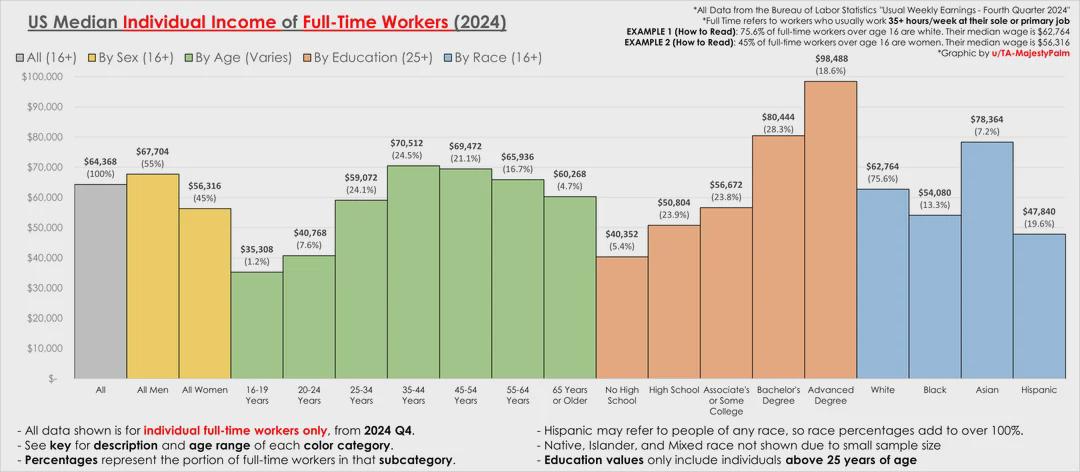
If they’d just earn more money, they wouldn’t be struggling with affordability.
ETA: I’m also not sure that the change in new home sizes would be the driver of rents that you seem to be claiming. A lot of the rental housing has been on the market for multiple decades. Thinking back to my decades of renting, most of the places I rented were likely 20 to 100 years old when I was renting them. The exceptions being a dorm I had in undergrad, a house I rented in Australia and my apartment in Newfoundland which were all newish (e.g. less than 20 years old).
Where I live, “starter” homes go under agreement for above asking on the weekend they are listed, mostly to cash offers. The ones that are most affordable are purchased by builders who waive inspection because they are just going to tear them down anyways and build something big. Young people who don’t have parents who can help are typically screwed.
I do think Air BNBs have messed up the economics of some neighborhoods. They create a lot of homes that are occupied 70% of the time until prices rise to make that investment property unviable. I can absolutely see this in the area we stay to visit the in-laws.
The other part we’re glossing over is we’re coming off an extended period of low interest rates, and the cost of borrowing has gone up substantially cutting into what new home owners can afford to buy compare to a few years ago, even if home prices remained constant.
ETA: so new buyers are facing both higher home prices and borrowing costs on top of that decreasing housing affordability. And then they get called picky.
The other problem is the builders don’t get the profit margins they want on the smaller homes. I suspect it’s analogous to how Ford and Chevy quit building cars for the most part and just build SUVs and pick-up trucks.
This is a biggie. It’s that ole Magic Hand bit. The suppliers (builders) are going to maximize profit and that means appealing to upper income folks. The land is precious and hence pricey. It’s an example of letting the market set the priorities.
I live in Iowa where the minimum wage is the federal $7.25. I have three grandsons who got jobs with the local supermarket chain starting at $13/hr or so. That was during covid, that wage may have gone up t $14/hr.
So, yep I figure the federal minimum wage is irrelevant in at least one small city in Iowa.