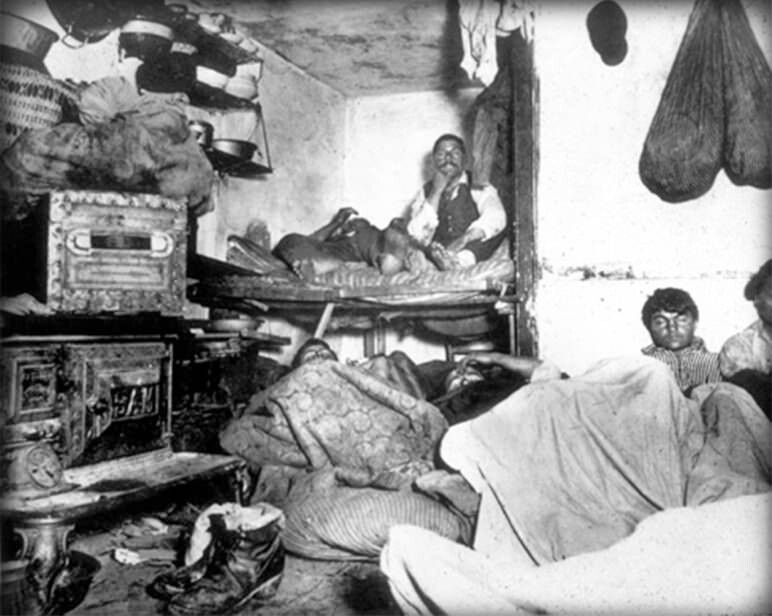
If they did, you’d see more things like this:
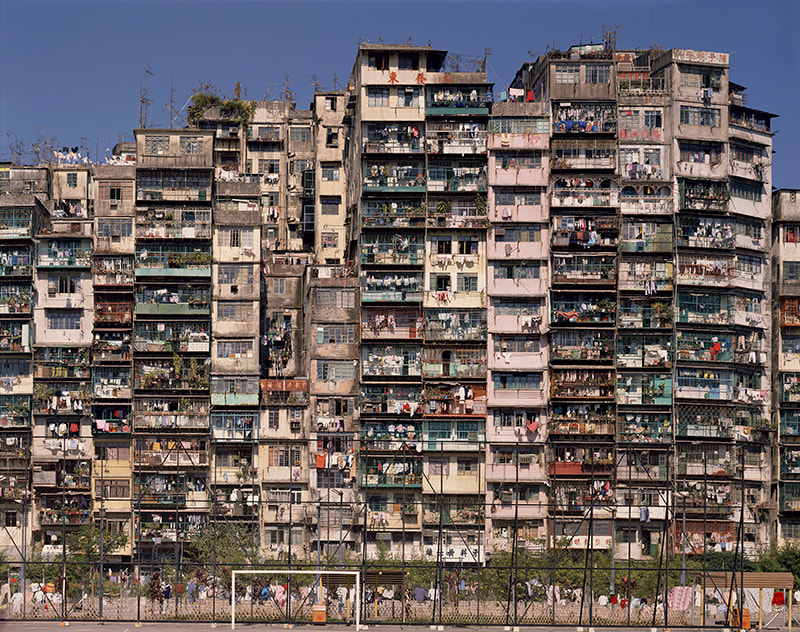
And this:
Don’t confuse “wanting affordable housing” with “give me a house that’s in my current budget”.
As long as it doesn’t involve the failed “Housing First” strategy
Housing on Baltic Ave is pretty affordable
They could have at least put them on the halfway line.
failed?
I don’t know. I had always assumed that not requiring treatments or any other conditions was logically absurd, and an exercise in futility.
Reading about it more a bit, the right-wing reason it failed seems to be “it didn’t solve the problem” and the left-wing reason for it not doing more is “it was implemented poorly” or “resources are lacking.”
It’s hard to find non-biased sources either way on this topic though.
(Not that I think anyone wants to actually end homelessness, since then it can’t be used as a campaign talking point. But that’s a different conversation.)
(I think my biggest problem is that with political things, I tend to operate on hunches, but then I almost never examine the hunches through a left-vs-right-vs-truth lens, so I end up just coming off as opinionated. But at the same time, I don’t want to be the kind of person who obsesses over political/social issues. Which is why in practice I’m mostly apolitical anymore.)
Anyway. One of the more specific criticisms seems to be based on transitional government housing counting as homeless and permanent government housing counting as not homeless. Which makes me wonder if it’s really a success if you’re still stuck in government housing. Shouldn’t the goal of a government program be to eventually wean off of it and enter mainstream society in any sustainable way you see fit?
I think there are people who’d be ok with that or perhaps better, but nimbies dont want that anywhere near them because poor people are gross (\s on the gross par).
The complaint I see locally is that most of the new apartments are being built with granite countertops, wood floors and ceramic tiles in the bathrooms and are rented out at higher prices than other apartments and labelled as luxury apartments. What a lot of the affordable housing people are asking for is laminate countertops, lino flooring in the bathroom and whatever is cheap but durable elsewhere and rent on the lower end of the price scale.
The other call I’ve seen is for walkable neighbourhoods. This is something I was impressed with when I lived in Canberra. New developments were planned around a central core. You’d have houses and condos around the outside and then a neighborhood core with a few shops or a mixed use development with shops at street level and often a nearby elementary school and a playing field.
Where affordable housing plays into this is that it was integrated into a mixed housing neighbourhood. I like this model where it also facilitates aging in place to some extent. If you no longer need the big house, there are nearby smaller houses or condos so you don’t have to leave your neighborhood if you want to upgrade or downgrade.
I find in the US and Canada, a lot of new developments are monocultures of a single housing type and there doesn’t seem to be a lot of central planning which leads to poor designs and lots of time stuck commuting. The big difference in Canberra was that almost all the land was owned by the government and sold on 99 year leases.
Like Vienna?
Vienna’s housing program is a globally renowned social housing model where roughly 60% of residents live in city-owned (Gemeindebau) or subsidized, limited-profit cooperative housing. Funded through public land acquisition, low-interest loans, and progressive taxation, it features broad income eligibility, keeping housing remarkably affordable
Not everyone can generate economic output sufficient to house themselves. I wouldn’t call a program that houses them a failure just because they remain in it. (Yes, the devil is in the details).