I think that Xi wants to thoroughly control the internet within China’s borders. I’m confident that other authoritarians would like to do the same, but they are more likely to be “imperfect”.
The UK isn’t trying to get to that level. 4chan is a very small fraction of all internet traffic. This seems to be about the fringes.
The UK laws categorize websites by size and are stricter for larger websites. So no, GoA is not exposed. But that doesn’t change the fact that the new UK laws are not implemented in a particularly well designed way.
I’m aware…and it was an imperfect example of my concern/thought process.
Both the GPDR popups and the UK age/content law are either benign or limited in scope, and they both have their merits despite their imperfections.
But what comes next? I think there’s a valid slippery slope concern here.
For example, what happens if/when a jurisdiction imposes a strict requirement that online forums validate official ID of individuals from that jurisdiction before being granted access to post?
It’s probably not a concern if that jurisdiction were tiny Upper Elbonia…but what if it were a requirement from several red states? And what if the forum in question was one where 18-25 non-cis or non-het individuals who are stuck in unsupportive environments go seeking support?
The question of the extent to which governments can seek to exercise jurisdiction over individuals or entities who have no physical or financial connection to that jurisdiction aside from being connected to a network accessible from that jurisdiction is one that predates the transition of the internet from a research network to something more general-purpose.
While I have no particular love for 4chan, and I wouldn’t shed a tear if it went away (aside, perhaps, from the risk that some of its less-well-behaved people might amuse themselves in ways that more directly annoy me)…it’s a very interesting subject to me.
I’m not a big fan of land acknowledgements. But, I’m directly opposed to censorship.
Presumably, there is a written policy. It seems that in places where speakers might have wanted to do a land acknowledgement, they should read the policy without comment.
There’s some implication that somehow we’re responsible for the mess. I didn’t do anything. In fact, my ancestors didn’t do anything either. That’s the reason people object, it sounds like people are being told ‘this is your fault, and it’s my land’.
I’m aware that’s not what they’re about, perhaps more so than most. But I’m also aware of how ‘colonizers’ feel about this, being one myself and from that background.
As Cook noted, Canada is different. It’s barely even Canada. We have a ton of independent and somewhat autonomous nations, Then we have Canada, a seperate nation inhabiting the same space. And Canada has land agreements with some of those nations and not others. And of the land agreements, most of them have been pretty much ignored.
So there’s an agreement that first nations own 8 miles on either side of a large local river. Except that land covers high density urban areas, probably millions of people, entire cities. But, there’s the paperwork that says that.
And I think out were Cook is, there’s no agreements at all. Just first nations communities saying ‘yeah, this is our land, who tf are you and what are you doing here?’.
So, quite a problem to unravel, and no even-remotely easy way to solve the friction.
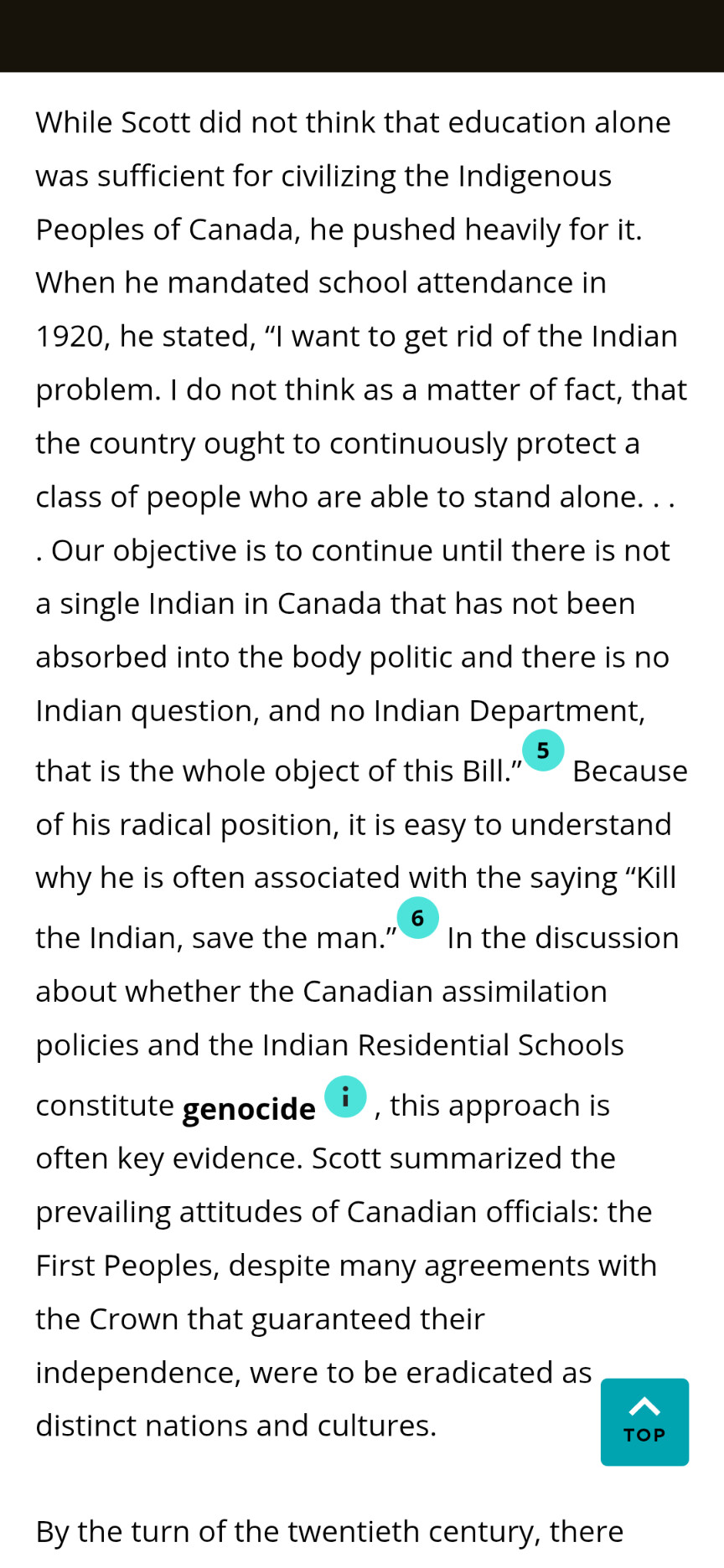
Oh, and we have to throw into the mix of acknowledgments the Canadian gov’ts treatment of first nations from the 1940’s through to the 1960’s. I’m not a fan of the trappings of the term genocide, but yeah, the Canadian gov’t was performing all the required operations back then to qualify. Including intent.